

Top Places to Visit in Ayodhya Near Ram Mandir You Shouldn't Miss
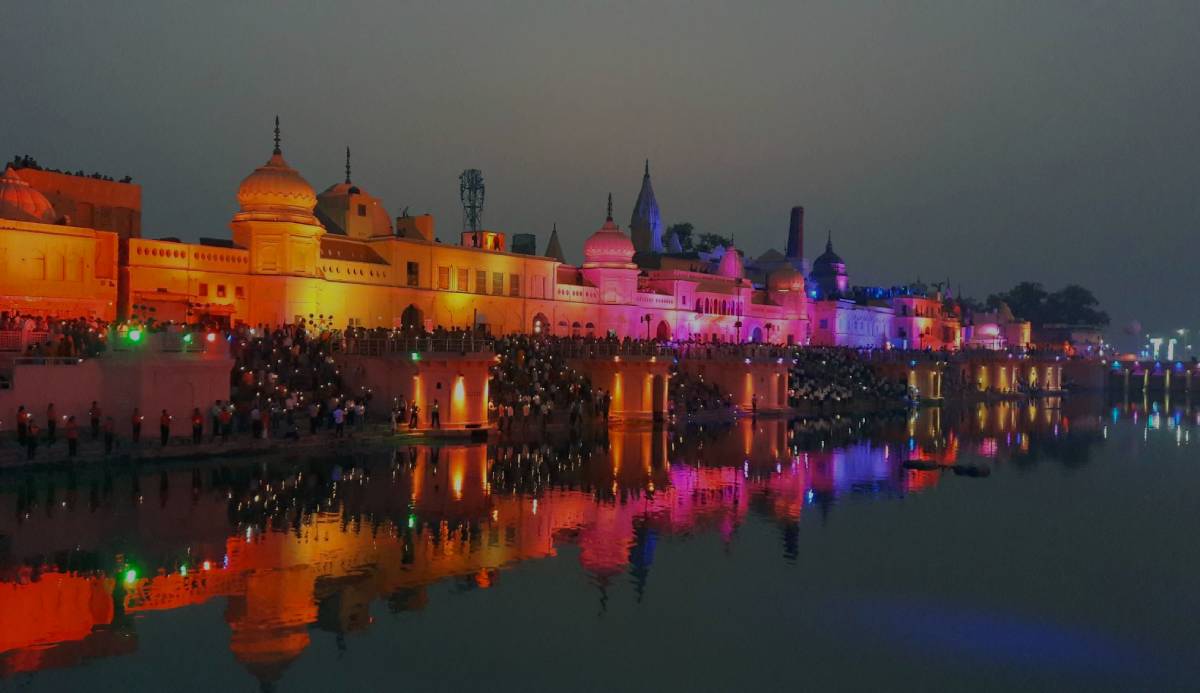
Ayodhya is far more than a single temple. This ancient city, associated with Lord Rama and the epic Ramayana, is dotted with temples, ghats, museums and heritage sites that together tell the story of one of Hinduism's most sacred cities. If you are visiting Ayodhya, especially if you're staying at a hotel near Ram Mandir, it makes sense to combine your temple darshan with a wider exploration of the city. Here are the places worth adding to your Ayodhya itinerary.
Ram Janmabhoomi Mandir
The obvious starting point for any Ayodhya trip is the Ram Janmabhoomi Mandir itself, believed to be the birthplace of Lord Rama. The newly constructed temple, built in the Nagara style of architecture, houses the idol of Ram Lalla and welcomes pilgrims for darshan through the day, with dedicated aarti ceremonies at fixed times. Even for travellers who are not deeply religious, the scale, craftsmanship and atmosphere of devotion around the temple make it a memorable stop.
Hanuman Garhi
Just a short distance from Ram Janmabhoomi, Hanuman Garhi is one of the most visited temples in Ayodhya and is traditionally visited before the main Ram temple darshan. Built on an elevated platform, the temple is dedicated to Lord Hanuman and is believed to mark the spot where he lived while guarding the city. Visitors climb a flight of steps to reach the sanctum, and the temple is especially lively during evening aarti, when the sound of bells and chanting fills the air.
Kanak Bhawan
Located in the Tulsi Nagar area, Kanak Bhawan (also known as Sone-ka-Ghar) is a beautifully maintained temple dedicated to Lord Rama and Goddess Sita. Built in 1891, the temple is known for its ornate architecture and the richly decorated idols inside. It is considered a private residence gifted to Sita, and the peaceful courtyard makes it a pleasant place to sit for a while after the more crowded main temple.
Sri Nageshwarnath Temple
Situated close to Theri Bazaar, the Nageshwarnath Temple is dedicated to the local deity Nageshwarnath and is believed to have been established by Kush, one of Lord Rama's sons. The temple holds particular significance during Shivratri, when it becomes the centre of elaborate celebrations, but it is worth a visit any time of year for its historic character and central location.
Sarayu River Ghats
No visit to Ayodhya is complete without spending some time along the Sarayu River. The ghats here are used for ritual bathing, prayers and the evening river aarti, which draws both pilgrims and travellers looking for a quieter, reflective experience. Watching the sun set over the river, with diyas floating on the water and the sound of devotional hymns in the background, is one of the more understated highlights of an Ayodhya trip.
Treta Ke Thakur
Believed to be the site where Lord Rama performed the Ashwamedha Yagna, Treta Ke Thakur is an old temple complex located near Nayaghat on the banks of the Sarayu. The idols here are said to have been carved from a single black sandstone block, and the site's quiet, riverside setting makes it a good addition to a half-day exploration of the ghats.
Guptar Ghat
Located a little further from the city centre, Guptar Ghat is associated with the belief that Lord Rama took jal samadhi (submerged himself in the river) here at the end of his earthly life. The ghat has a peaceful, contemplative atmosphere and several small temples nearby, making it a good stop for visitors who want to see a quieter, less crowded side of Ayodhya.
Ram Katha Museum
For travellers interested in history and context rather than just religious sites, the Ram Katha Museum offers a curated look at artefacts, sculptures and exhibits related to the life of Lord Rama and the cultural history of Ayodhya. It is a useful stop if you want to understand the deeper historical and mythological background before or after visiting the temples.
Tulsi Smarak Bhawan
Dedicated to the memory of Goswami Tulsidas, the poet-saint who composed the Ramcharitmanas, Tulsi Smarak Bhawan hosts cultural events, an auditorium and a library. It's a good stop for travellers interested in the literary and devotional traditions that have shaped how Lord Rama's story is told and celebrated across India.
Ram ki Paidi
Ram ki Paidi is a series of well-built bathing ghats along the Sarayu, developed to give pilgrims safe, organised access to the river for ritual bathing. The steps are lit up in the evening, and the area has become a popular spot for both religious rituals and simply sitting by the water to watch the city's daily rhythm unfold. It's an easy add-on if you're already heading to the ghats for the evening aarti.
Tips for Visiting Multiple Temples in a Day
Covering several temples in a single day is easier if you group nearby sites together rather than criss-crossing the city. Start early with Hanuman Garhi and the main Ram Janmabhoomi Mandir, since these draw the largest crowds and are best tackled before mid-morning. Kanak Bhawan and the Nageshwarnath Temple, both relatively close to each other, work well as a late-morning or early-afternoon pair. Save the river ghats, Treta Ke Thakur and Guptar Ghat for the late afternoon and evening, when the light is softer and the aarti ceremonies add to the experience. Wearing comfortable footwear that's easy to remove repeatedly will save you a surprising amount of time and effort over the course of the day.
Local Markets Around Ram Path
Ayodhya's markets around Ram Path and Theri Bazaar are worth a stroll for anyone who enjoys soaking up local life. From religious souvenirs, books and idols to traditional sweets and street food, these markets give you a sense of the city beyond its temples, and they are an easy, walkable addition if you are already staying at a hotel near Ram Mandir.
Chhoti Devkali Mandir
Believed to be the family deity temple of Goddess Sita, Chhoti Devkali Mandir is a lesser-known but historically significant stop for visitors keen to go beyond the most obvious attractions. The temple has a quieter, more local atmosphere, and it's a good addition if you're interested in the full network of shrines connected to the Ramayana rather than just the headline sites.
Dashrath Mahal
Said to be located on the site of King Dashrath's palace, Dashrath Mahal is an active temple complex that also functions as a math (monastery). It draws devotees interested in the royal lineage associated with Lord Rama's family, and its central location makes it an easy stop to combine with a visit to Hanuman Garhi and the main temple.
Best Time to Explore These Sites
Most of Ayodhya's temples open early, generally by sunrise, and many observe a short midday closure similar to the main Ram Mandir. Early mornings tend to be the most peaceful time to visit smaller temples like Kanak Bhawan and Chhoti Devkali Mandir, before the day's crowds build up around the main complex. The river ghats, on the other hand, are best experienced in the late afternoon and evening, when the light softens and the aarti ceremonies begin, drawing both pilgrims and photographers to the water's edge.
Getting Around Between Attractions
Most of Ayodhya's key sites are close enough together that walking is often the simplest way to move between them, particularly around the main temple, Hanuman Garhi and the surrounding markets. For sites a little further out, such as Guptar Ghat or Treta Ke Thakur, auto-rickshaws and local taxis are easy to arrange and inexpensive. If you're short on time, hiring a local guide or a taxi for a half-day city tour is a practical way to cover multiple sites without worrying about directions or timing.
Planning Your Ayodhya Sightseeing
Most of these attractions are located within a few kilometres of each other and can be covered comfortably over one to two days, especially if you're not rushing. Mornings are best kept for temple darshan, since queues are shorter and the weather is cooler; afternoons work well for the museum and markets, while evenings are ideal for the river ghats and aarti.
Because darshan at the main temple is split across a morning and evening window, staying at a hotel near Ram Mandir, such as Aryavart Hotel, makes it much easier to fit in these nearby attractions without wasting time on repeated travel back and forth. A short walk back to a comfortable room between temple visits means you can pace your sightseeing instead of trying to cram everything into a single exhausting day.
Final Thoughts
Ayodhya's appeal goes well beyond a single temple visit. Between ancient shrines, riverside ghats, museums and bustling local markets, there is enough here to fill two or three unhurried days. Plan your stay close to the main temple, pace your sightseeing across mornings and evenings, and you'll come away with a much fuller picture of why this city holds such a special place in India's spiritual and cultural landscape.