

How to Plan the Perfect Ayodhya Pilgrimage Trip: Itinerary, Budget and Travel Tips
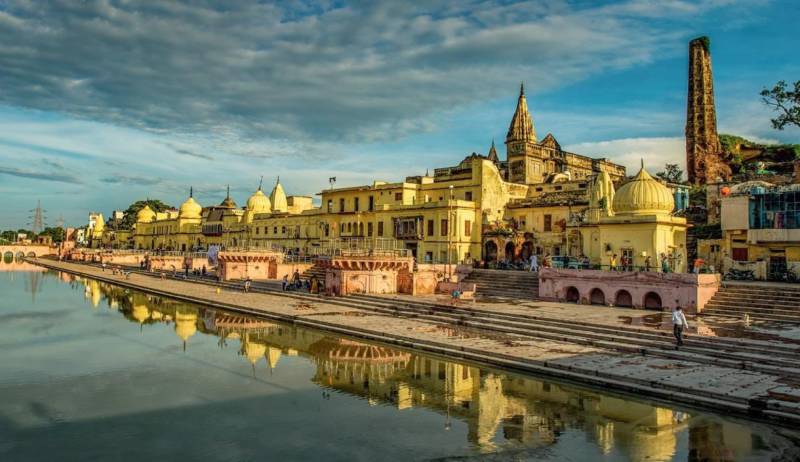
A trip to Ayodhya is unlike a typical holiday. It combines the logistics of travel planning with the emotional weight of a pilgrimage, and getting the details right, from timing to accommodation, makes the difference between a rushed visit and a genuinely peaceful one. Whether you're travelling solo, with family, or in a group, here's a practical guide to planning your Ayodhya trip from start to finish.
Deciding When to Go
The first decision in planning your trip is timing. Ayodhya's weather is most pleasant between October and March, when cooler temperatures make it comfortable to walk between temples and stand in darshan queues. If your visit coincides with Ram Navami or Diwali, expect a far more festive but also far more crowded city; book your hotel well in advance if you're travelling during these periods. If you prefer shorter queues and a quieter atmosphere, aim for weekdays outside major festivals.
How Many Days Do You Need
For a focused pilgrimage centred on Ram Janmabhoomi and a handful of nearby temples, two days is usually enough. If you want to add the river ghats, the Ram Katha Museum, and a more relaxed pace with time for shopping and local food, three days gives you a comfortable buffer. Families travelling with elderly members or small children often benefit from the extra day, since it allows rest periods between darshan visits instead of trying to cover everything in one intense day.
A Sample 2-Day Ayodhya Itinerary
Day 1: Arrive in Ayodhya and check into your hotel near Ram Mandir. Rest for a couple of hours if you've travelled overnight, then head to Hanuman Garhi in the late morning, followed by Ram Janmabhoomi Mandir for afternoon darshan. In the evening, visit Kanak Bhawan and the Nageshwarnath Temple before heading back for dinner and rest.
Day 2: Start early with morning darshan and aarti at Ram Janmabhoomi, ideally before the crowds build up. After breakfast, explore the Sarayu ghats, Treta Ke Thakur and, if time permits, the Ram Katha Museum. Spend the evening at the ghats for the river aarti before departing or settling in for one more night.
If you have a third day, use it for a slower exploration of local markets, Guptar Ghat and Tulsi Smarak Bhawan, along with any temple you may have missed.
How to Reach Ayodhya
Ayodhya is now well connected by all three major modes of transport. Ayodhya Dham Junction railway station has direct trains from several major cities, and Maharishi Valmiki International Airport handles regular domestic flights, making the city accessible even for travellers coming from further afield. If you're travelling by road, national highways connect Ayodhya to nearby cities like Lucknow, making it a feasible weekend road trip for travellers from Uttar Pradesh and neighbouring states.
Once you land or arrive by train, most of the city's key attractions, including the temple complex, are a short taxi or auto-rickshaw ride away, and many hotels near Ram Mandir are within walking distance of the main darshan entry points.
Budgeting for an Ayodhya Trip
Ayodhya is a relatively affordable destination compared to many other pilgrimage and tourist cities in India. Accommodation ranges from budget guesthouses to comfortable mid-range hotels, with rooms near the temple typically priced a little higher than those further away, a trade-off that's usually worth it given how much time and effort it saves on travel between darshan sessions.
Food in Ayodhya is largely vegetarian, in keeping with the city's religious character, and eating at hotel restaurants or local eateries is generally inexpensive. Local transport, whether auto-rickshaws or short taxi rides between attractions, adds a modest amount to your daily budget. Overall, a comfortable two-to-three-day trip, including a good hotel, meals and local transport, can be planned on a moderate budget without compromising on comfort.
Where to Stay: Why Location Matters More Than You Think
Because darshan at Ram Janmabhoomi is split into a morning and an evening window with a break in between, where you stay has a direct impact on how relaxed your trip feels. A hotel far from the temple means losing an hour or more each way in traffic, especially during peak season when roads near the complex see restricted movement.
Staying at a hotel near Ram Mandir, such as Aryavart Hotel, solves this problem directly. Located within easy reach of the temple, it allows you to walk to morning darshan, return for breakfast and rest, and head back for the evening aarti without losing your day to transit. The hotel's King Size, Premium and Twin Bedroom options suit solo travellers, couples and families alike, and amenities like free Wi-Fi, in-house room service, housekeeping and free parking add a layer of convenience that matters when you're juggling a tight pilgrimage schedule.
A Sample 3-Day Ayodhya Itinerary
If you have a third day to spare, it's worth using it to slow down rather than add more temples to your list. Day 1 and Day 2 can follow the plan above, covering the main temple, Hanuman Garhi, Kanak Bhawan, the Nageshwarnath Temple and the Sarayu ghats. On Day 3, start with a relaxed morning visit to Chhoti Devkali Mandir or Dashrath Mahal, both a little off the main pilgrim trail, followed by a leisurely stroll through the local markets around Ram Path for souvenirs and traditional sweets. Spend the afternoon at Guptar Ghat, a quieter riverside site, before an early dinner and departure.
This slower pace is particularly useful for families travelling with young children or elderly relatives, since it avoids the fatigue that comes from cramming every attraction into two intense days.
Local Transport Options in Ayodhya
Once you've arrived in the city, getting around is straightforward. Auto-rickshaws and cycle-rickshaws are widely available for short hops between nearby attractions, while taxis are a comfortable option for covering the wider city or for airport and railway station transfers. Many hotels, including those near Ram Mandir, can help arrange local transport or a half-day taxi for sightseeing, which is often more convenient than negotiating separately for each trip, especially during the busier festival months.
Choosing Between Train, Flight and Road Travel
Which mode of transport makes sense depends largely on where you're travelling from. Flights into Maharishi Valmiki International Airport are the fastest option for those coming from farther afield and are increasingly competitively priced given the growth in demand. Trains into Ayodhya Dham Junction are a comfortable, budget-friendly option, especially for overnight journeys from major North Indian cities, letting you arrive rested and ready for a full day of darshan. If you're within driving distance, particularly from cities like Lucknow, a road trip offers flexibility, including the option to stop at other nearby attractions along the way, though it's worth factoring in traffic near Ayodhya during festival periods.
Common Mistakes to Avoid
A few avoidable mistakes tend to affect first-time visitors to Ayodhya. Booking a hotel purely on price without checking its actual distance from the temple often leads to lost time in daily transit. Arriving without a clear sense of darshan timings can mean missing the calmer morning slot and ending up in longer, hotter midday queues. Carrying electronics or large bags to the temple, only to be told to leave them behind, wastes time better spent on darshan. And skipping advance hotel bookings during Ram Navami or Diwali often means settling for options far from the temple, or paying a steep premium at the last minute. Planning even a few of these details in advance makes a noticeable difference to how smooth your trip feels.
Practical Travel Tips
- Book your hotel in advance, especially around festivals like Ram Navami and Diwali, when rooms near the temple fill up quickly.
- Pack comfortable, easily removable footwear, since most temples require you to walk barefoot inside.
- Carry a valid photo ID at all times; security checks near the temple complex are routine.
- Keep electronic items like phones and cameras at your hotel before heading to the main temple, as they are typically not allowed inside.
- Dress modestly and comfortably, keeping in mind Ayodhya's religious character and the amount of walking involved.
- Stay hydrated, particularly if you're visiting in the warmer months, and carry water during the day.
- If you plan to attend a specific aarti, arrange your pass ahead of time rather than assuming you can get one on arrival.
Travelling with Family or Elderly Relatives
Ayodhya's temple complex has made real efforts to accommodate elderly and differently-abled visitors, with ramps and lifts available at the main temple. Still, the amount of walking and standing involved can be tiring, so plan for rest breaks and avoid over-scheduling each day. Choosing a hotel close to the temple becomes even more valuable here, since it means family members who need a break can return to their room quickly rather than waiting outside in the heat or crowd.
Final Thoughts
A well-planned Ayodhya trip balances devotion with practicality. Decide your dates around the season and crowd levels you're comfortable with, build a simple two-to-three-day itinerary around the temple's darshan timings, and choose accommodation that keeps you close to the action. With the logistics sorted, you're free to focus on what the trip is really about: a calm, meaningful pilgrimage to one of India's most sacred cities.