

Ram Mandir Ayodhya: A Complete Visitor's Guide to Darshan, History and Where to Stay
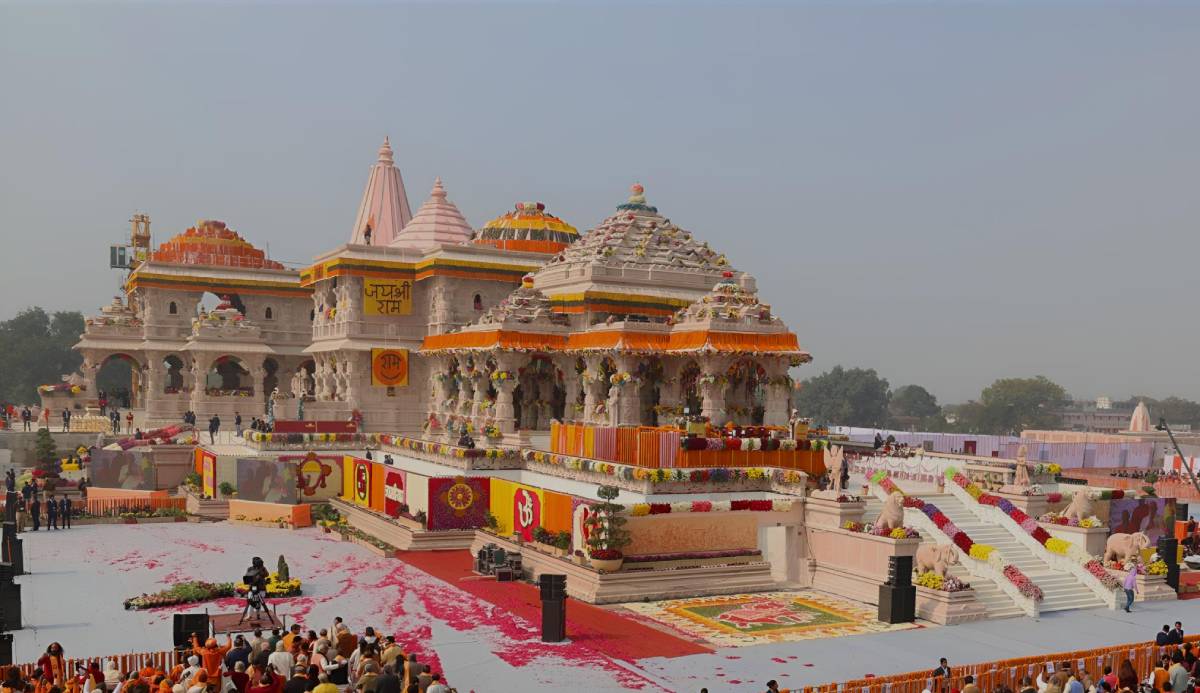
Ayodhya has quietly transformed into one of India's most visited spiritual destinations. Every day, thousands of devotees, families and curious travellers arrive in this ancient city on the banks of the Sarayu to seek darshan of Ram Lalla at the Shri Ram Janmabhoomi Mandir. If you are planning a trip, a little preparation goes a long way: knowing the temple's history, the darshan schedule, how to reach the complex, and where to stay near Ram Mandir can turn a rushed visit into a peaceful, memorable pilgrimage. This guide walks you through everything you need to know before you go.
A Brief History of Ram Janmabhoomi
Ayodhya is regarded by Hindus as the birthplace of Lord Rama, the seventh incarnation of Lord Vishnu and the central figure of the epic Ramayana. The site known as Ram Janmabhoomi has been a place of reverence and pilgrimage for centuries, long before the modern temple came up. Over the decades, the site was also at the centre of a long-running legal and social debate that was finally settled by the Supreme Court of India, paving the way for the construction of a new temple dedicated to Ram Lalla.
The consecration ceremony, or Pran Pratishtha, of the idol took place in January 2024, and since then the temple has opened its doors to the public on a daily basis. For devotees, visiting Ayodhya today is not just about seeing a new landmark; it is about connecting with a story and a faith that has shaped Indian culture for generations.
Architecture of the New Ram Mandir
The new Ram Mandir is built in the traditional Nagara style of temple architecture, a design language associated with North Indian temples that is known for its curved shikhara (spire), intricately carved pillars and symmetrical layout. The temple complex is spread across a large area and includes multiple shrines, spacious courtyards, and facilities designed to handle the scale of visitors it receives every day, including ramps and lifts for elderly and differently-abled devotees.
Beyond the main sanctum, the wider Ram Janmabhoomi complex has been developed with pilgrim convenience in mind: shaded walkways, seating areas, drinking water points, and a well-organised queue system that helps manage the crowd, especially on weekends and festival days.
Darshan and Aarti Timings
Darshan timings at the temple have been refined a few times since the temple opened, so it is always worth checking the official Shri Ram Janmabhoomi Teerth Kshetra sources or asking your hotel for the latest schedule closer to your travel date. As a general pattern, the temple opens early in the morning and closes for a short break around midday before reopening in the afternoon and staying open into the evening.
The temple also conducts aarti ceremonies at fixed times through the day, typically a morning shringar aarti, an afternoon bhog aarti, and an evening sandhya aarti. Attending an aarti is a separate experience from general darshan, and passes for aarti are usually limited in number and need to be arranged in advance, either online through the official portal or from the designated camp office with a valid ID.
Because timings and rules can change around major festivals such as Ram Navami and Diwali, it is a good idea to reconfirm the schedule a day or two before your visit.
How to Reach the Temple
Ayodhya is well connected by road, rail and air. Ayodhya Dham Junction railway station and Maharishi Valmiki International Airport have made the city far more accessible in recent years, with direct trains and flights connecting it to major cities across India. Once you arrive, the Ram Janmabhoomi complex is centrally located, and most hotels, including those close to the temple, are within easy walking or short driving distance of the main entry points.
If you are staying at a hotel near Ram Mandir, you can typically walk to the temple in a matter of minutes, which is a significant advantage during the darshan hours when vehicle movement near the complex is restricted for security reasons.
Best Time of Year to Visit
Ayodhya can be visited through the year, but the most comfortable months are between October and March, when the weather is cool and pleasant for walking and standing in queues. Summers (April to June) can be quite hot, and the monsoon months bring humidity and occasional heavy rain, so early mornings are the best time to plan darshan during these seasons.
Festivals such as Ram Navami (usually in March or April) and Diwali see the highest footfall, with the city beautifully decorated but also considerably more crowded. If you prefer a quieter, more contemplative visit, plan your trip for weekdays outside of major festival dates.
Tips for a Smooth Darshan Experience
- Reach the temple complex early in the morning to avoid the longest queues.
- Carry a valid photo ID, as security checks are thorough near the complex.
- Electronic items such as mobile phones, cameras and bags with metal fittings are usually not allowed inside; plan to leave these at your hotel or in your vehicle.
- Wear comfortable, weather-appropriate clothing and footwear that is easy to remove, since long walking and queuing is involved.
- Keep some cash and water handy, and stay hydrated, especially in warmer months.
- If you want to attend an aarti, arrange your pass in advance rather than hoping to get one on the spot.
- Book a hotel close to the temple so you can rest between the morning and evening darshan slots without losing travel time.
Where to Stay Near Ram Mandir
Choosing where to stay can make or break your Ayodhya trip. Because darshan hours are split into a morning and an evening window with a midday gap, staying far from the temple means losing hours in transit and traffic each day. This is where a hotel near Ram Mandir becomes genuinely useful rather than a luxury.
Aryavart Hotel is located just a short distance from Ram Janmabhoomi, making it possible to walk to the temple for the morning aarti, return for a relaxed breakfast and rest, and head back for the evening darshan without the stress of long commutes. The hotel offers spacious, well-furnished rooms across King Size, Premium and Twin Bedroom categories, along with amenities such as free Wi-Fi, housekeeping, in-house room service, free parking and air-conditioned comfort. For families travelling together or groups celebrating a special occasion, the hotel's banquet and party hall facilities also make it a convenient base for small celebrations during a pilgrimage trip.
Whether you are visiting for a quiet weekend of prayer or planning a longer family pilgrimage, staying close to the temple lets you experience Ayodhya at its own unhurried, devotional pace rather than rushing between a distant hotel and the temple gates.
Nearby Attractions to Combine with Your Visit
A trip to Ram Mandir is a natural starting point for exploring the rest of sacred Ayodhya. Hanuman Garhi, an important temple dedicated to Lord Hanuman, is traditionally visited before the main Ram temple darshan. Kanak Bhawan, dedicated to Ram and Sita, and the Nageshwarnath Temple near Theri Bazaar are both within easy reach. The ghats along the Sarayu River are also worth a visit, particularly in the evening, when the river aarti creates a serene atmosphere that many visitors find just as moving as the temple visit itself.
What to Pack for Your Ayodhya Trip
Packing sensibly makes the darshan experience much easier. Choose loose, breathable clothing that's comfortable to walk and sit in for extended periods, along with footwear that slips on and off easily, since shoes are usually left outside most temples. A small cloth bag is more practical than a large backpack, since bulky bags may not be permitted inside the complex. Carry a printed or photocopied ID as a backup, sunscreen and a cap for daytime visits, and a light shawl or stole, which is useful both for modesty inside temples and for the occasional cool evening by the river.
If you're travelling with children or elderly family members, pack any essential medication, a refillable water bottle, and simple snacks, since food options directly around the temple complex are limited and queues can take longer than expected during peak season.
Dress Code and Temple Etiquette
While there is no strict, enforced dress code at Ram Mandir, modest, respectful clothing is expected, as it would be at any major temple in India. Full-length trousers or dresses, and tops that cover the shoulders, are a safe choice for both men and women. Loud conversations, photography inside restricted zones, and carrying leather items into certain temple areas are generally discouraged, so it helps to observe local visitors and follow posted instructions near the complex.
Queue discipline is taken seriously given the sheer number of daily visitors, so patience and cooperation with security staff and volunteers go a long way toward keeping the darshan experience smooth for everyone.
Final Thoughts
Ayodhya rewards visitors who take the time to plan ahead. Understanding the darshan and aarti timings, dressing and travelling appropriately, and choosing a hotel near Ram Mandir will free you up to focus on what actually brought you to the city: a peaceful, unhurried darshan of Ram Lalla. With the right preparation, your visit to the Ram Janmabhoomi Mandir can be as calm and meaningful as the city itself.